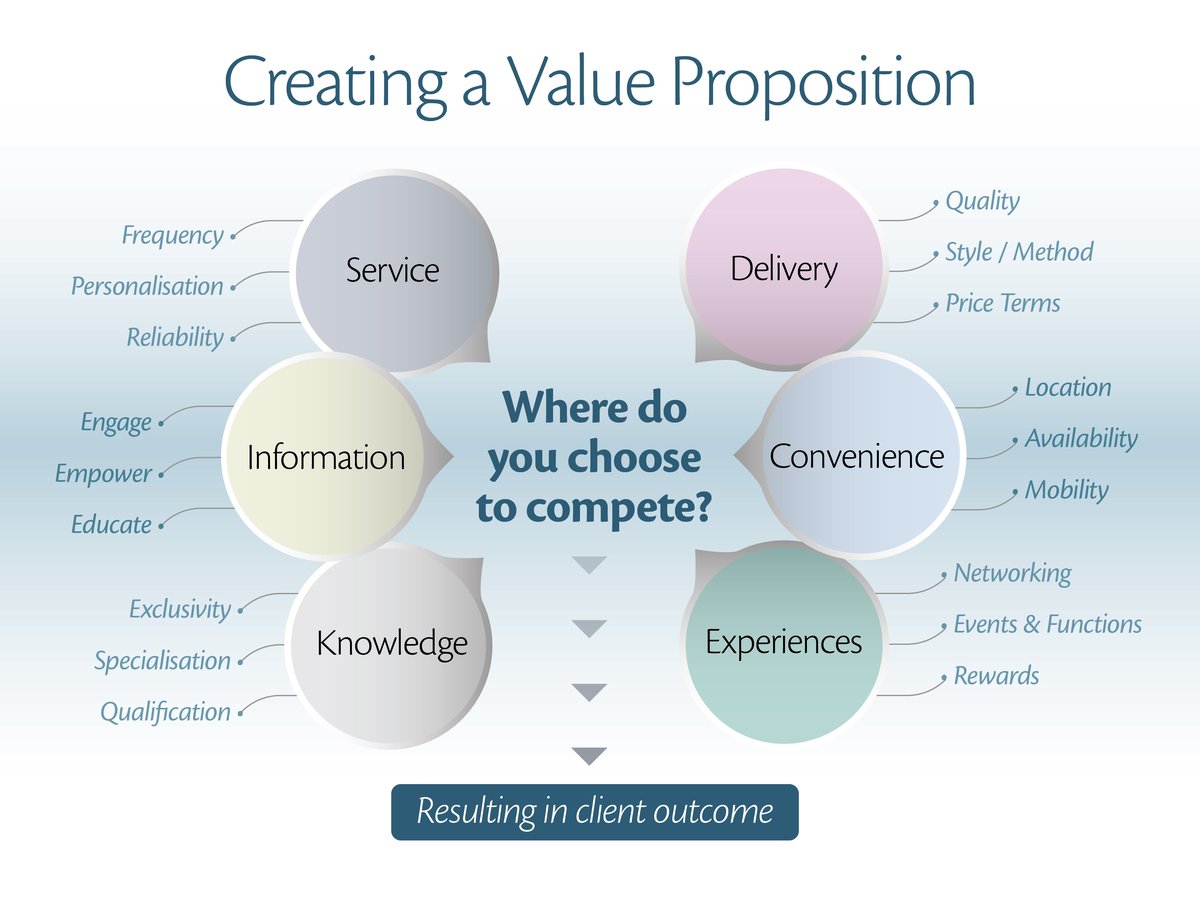
In today's crowded marketplace, simply having a great product isn't enough. To truly secure lasting customer loyalty and thrive, businesses must master the delicate interplay between their Value Proposition, Price, and Replayability. These aren't just buzzwords; they're the foundational pillars that determine whether a customer chooses you, sticks with you, and ultimately becomes your biggest advocate.
At a Glance: Decoding Loyalty Through Value
- Value Proposition is Your Core Promise: It's the crystal-clear answer to "Why choose us?" highlighting unique benefits and solving specific pain points.
- Clarity Over Creativity: Your value proposition must be specific, benefit-driven, and exclusive – no vague fluff.
- Price Reflects Perceived Value: A strong value proposition justifies your pricing strategy, moving you beyond mere cost competition.
- Replayability Drives Long-Term Loyalty: This isn't just for games; it's about sustained engagement, ongoing utility, and the enduring satisfaction your product or service provides over time.
- Test and Refine Constantly: Your value proposition isn't static. Regular testing and adaptation are crucial for staying relevant.
The Unseen Engine: What is a Value Proposition, Really?
Imagine you have just a few seconds to convince someone why your business deserves their attention and money. That's the essence of a value proposition. It’s a concise, compelling explanation of the unique benefits and value your product or service offers, answering the customer's fundamental question: "What's in it for me?"
A powerful value proposition is more than just a marketing slogan; it's the core promise of what you deliver, the problems you solve, and why you are undeniably better than the competition. It often encapsulates your Unique Selling Proposition (USP), making it immediately clear why a customer should engage with you.
Core Elements of an Irresistible Value Proposition:
- Specific: Focus on tangible customer benefits, giving them "superpowers" or clear improvements. What can they do or achieve that they couldn't before?
- Pain Point-Focused: Directly address existing problems, frustrations, or unmet needs your target audience experiences. How does your offering fix their life or make it significantly better?
- Exclusive: Clearly highlight what makes you stand out. What's your competitive advantage? Why can't competitors easily replicate what you do?
- Crystal Clear: Prioritize understanding over cleverness. It should instantly answer:
- What do you sell?
- Who should buy it?
- How does it improve their situation?
- Why pick you instead of competitors?
This powerful statement should be one of the first things visitors see on your website and consistently reinforced across every customer touchpoint, from ads to support interactions.
Beyond the Elevator Pitch: Understanding Value Proposition Types
Value propositions aren't one-size-fits-all. They can be layered and tailored depending on the context:
- Primary Value Proposition: This is your company's overarching, memorable promise. It's the big idea, concrete and provable, that defines your brand's core purpose. Think of it as your North Star.
- Example: Shopify's "Be the next big thing." It's a broad promise of enablement and growth for entrepreneurs.
- Segment-Level Value Proposition: This is a tailored brand promise designed for a specific, well-defined audience segment. You understand their unique needs and speak directly to them.
- Example: A specialized accounting software might have a segment-level VP for "small business owners needing streamlined tax prep" versus "freelancers tracking project income."
- Product-Level Value Proposition: Here, you explain why a specific product or service solves a problem better than alternatives. This is where features meet benefits, backed by proof points.
- Example: Crossrope's focus on "perfected the jump rope" with weighted, durable, interchangeable ropes for specific fitness goals ("Get Lean," "Get Strong").
- Process-Level Value Proposition: This describes the value of taking a specific action, like clicking an ad or completing a checkout. It highlights immediate benefits like time saved, convenience, or perks gained.
- Example: "Complete your purchase in two clicks and get free next-day shipping."
Clarifying the Core: Value Proposition vs. Mission Statement
While both are crucial for business identity, they serve different masters:
- Value Proposition: Is fundamentally customer-centric. Its primary goal is to convince potential customers to choose your product or service by answering "What's in it for me?" It's outward-facing and about market differentiation.
- Mission Statement: Is brand-centric, a guiding principle for your entire organization. It explains why your business exists and what it stands for, inspiring both employees and other stakeholders. It's inward-facing and about purpose.
A strong value proposition acts as a foundational elevator pitch, driving your marketing messages, guiding product development, and ultimately accelerating revenue growth.
The Blueprint for Loyalty: How Value Drives Price and Replayability
This is where the magic happens – connecting the dots between your unique promise, what you charge, and how you keep customers coming back.
Your value proposition isn't just about initial attraction; it's about laying the groundwork for how your product or service will be perceived, priced, and engaged with over time.
A well-articulated value proposition allows you to justify your pricing strategy. If you clearly communicate superior benefits, unique solutions, or a distinct competitive advantage, you create perceived value that supports your price point. Customers are often willing to pay more for solutions that genuinely solve their problems, save them time, or deliver a higher quality of experience. Without a strong value proposition, pricing often defaults to being a race to the bottom, commoditizing your offering.
Consider the decision point for many consumers today: should you play Wilds? The answer hinges not just on the initial price, but the perceived value of the experience, the promise of immersive gameplay, and critically, its replayability. This concept of "replayability" extends far beyond video games. For any product or service, it translates to enduring value or sustained engagement.
The Long Game: Building Replayability (or Enduring Value) for Loyalty
For digital products, services, or even physical goods, "replayability" means the ability to continually engage customers and provide ongoing utility or satisfaction. It’s what transforms a one-time transaction into a long-term relationship, building genuine customer loyalty.
Think about it:
- Subscription services thrive on replayability – consistent content updates, new features, or ongoing access to a valuable resource. Evernote, for instance, banks on its consistent ability to "save you time and boost your efficiency" through effortless organization and accessibility.
- Physical products achieve replayability through durability, versatility, or ecosystem integration. Unbound Merino's "Pack less. Experience more." isn't just about the initial purchase; it's about the continued utility of odor-resistant clothing simplifying travel repeatedly.
- Community and Support: Companies like Manitobah Mukluks don't just sell mukluks; they invite customers into a purpose-driven story of Indigenous artistry and community impact, fostering a deeper, more "replayable" relationship than a mere transaction.
- Continuous Improvement: Brands like Crossrope don't just sell a jump rope; they sell a system with interchangeable ropes and workout programs, offering continuous new ways to engage and achieve fitness goals.
When your value proposition is clear, your price is justified, and your offering provides sustained value (replayability), you're not just making a sale – you're cultivating a loyal customer base, reducing churn, and increasing customer lifetime value (CLTV).
Crafting Your Irresistible Offer: Proven Frameworks & Steps
Creating a truly unique and compelling value proposition isn't guesswork. It's a strategic process. Here are some proven frameworks and steps to guide you:
Proven Value Proposition Formulae:
- Steve Blank's XYZ Formula: A concise, action-oriented approach.
- "We help X (Target Customer) do Y (The Job/Action) by Z (The Solution/Product)."
- Example: "We help teams stay aligned by bringing all their communication into one place."
- Harvard Business School Framework (Michael Porter): Focuses on strategic positioning.
- "Which customers? → Which needs? → What relative price?"
- Example: "We serve urban Gen Z commuters who need ultra‑light helmets at a mid‑premium price that funds lifetime repairs."
- Shopify's Aspiration-Based Formula: Appeals to emotional drivers.
- "[adjective] [product or service] for [aspiration]."
- Example: "Create flavor-packed meals presto pronto with our line of canned (but never bland) beans."
6 Steps to Create Your Unique Value Proposition:
- Clarify Company Purpose & Vision: Before you can tell others why they need you, you need to know who you are. Document your mission statement, vision, and core values. This defines your identity and ensures your value proposition aligns with your brand's soul.
- Research Your Audience Deeply: You can't solve problems you don't understand. Conduct interviews, surveys, and analyze customer feedback. Pay close attention to the exact words your buyers use to describe their challenges and desired outcomes. What are their motivations, frustrations, and aspirations? This insight will guide your language and voice.
- Conduct Comprehensive Competitive Analysis: Who else is vying for your customers' attention? Identify your direct and indirect competitors. How do they position themselves? What are their strengths and weaknesses? Your goal is to pinpoint how you can genuinely differentiate your offering – whether through higher quality, superior service, faster delivery, or a truly innovative approach.
- Jot Down All Potential Benefits: Brainstorm every practical and psychological benefit your solution provides. Don't censor yourself; list everything. How does your product or service make their life easier, save them money, increase their status, reduce stress, or unlock new capabilities? Directly link these benefits to the customer challenges and pain points you identified in step 2.
- Focus on Clarity, Not Hype: With your benefits listed, start crafting your proposition. Aim for 2-3 sentences maximum. The message must be undeniably clear, concise, and immediately communicate:
- What you offer.
- Who it's for.
- How it improves their situation.
- Why they should choose you over anyone else.
- Emphasize Distinct, Concrete Value: Resist the urge for superlatives ("best," "finest") or vague exaggerations. Instead, focus on distinct, provable value. Crossrope doesn't say "best jump rope"; they say "perfected the jump rope" and back it up with engineering details and specific benefits. Charity: water doesn't claim to be "most ethical"; they state "100% of your donations will go to the cause," addressing a common donor concern head-on.
Real-World Resonance: Value Proposition Examples That Shine
Let's look at how successful companies articulate their value:
- Shopify: "Be the next big thing." This isn't about features; it's about aspiration and empowerment. They provide an all-in-one ecommerce platform to support business growth at every stage.
- Luxy Hair: Utilizes social proof ("As seen in") and visually demonstrates 5 key benefits, directly addressing pain points with compelling "before and after" examples. It’s about transformation.
- charity: water: "100% of your donations will go to the cause." This directly tackles the biggest trust issue in non-profits, offering a clear, verifiable promise.
- Evernote: Focuses on how it "saves you time and boosts your efficiency," highlighting effortless organization, ubiquitous access, and faster information retrieval. It's about productivity and peace of mind.
- ClassPass: Offers ultimate flexibility with "no need to commit to a single gym or type of workout." It appeals to variety and convenience, saving users money and offering streaming options.
- Crazy Egg: "Instantly make your website better." This bold claim is backed by 300,000+ customers, promising data-driven improvement and a risk-free 30-day trial.
- Unbound Merino: "Simple. Versatile. High performance." / "Pack less. Experience more." They sell not just clothing, but a lifestyle of ease and quality through odor-resistant merino wool, reducing travel bulk.
- Graza: "High-quality olive oil that’s meant to be squeezed, not saved." This cleverly solves the problem of using expensive ingredients sparingly, promoting everyday enjoyment with a unique, user-friendly bottle.
- Death Wish Coffee: "World’s strongest coffee." They back this bold claim with premium quality, ethical sourcing, USDA Organic certification, and Fair Trade practices – specific, provable differentiators.
Each of these examples is specific, customer-centric, and communicates clear value.
The Price Tag Conundrum: Justifying Your Value
Pricing is often seen as a numbers game, but it's intimately tied to your value proposition. Your price isn't just about covering costs; it's a reflection of the perceived value you offer.
A strong value proposition empowers you to adopt value-based pricing, where you set prices based on the perceived benefits to the customer rather than just your production costs. If your offering genuinely saves customers significant time, boosts their revenue, or provides an unparalleled experience, your price can reflect that substantial value.
Conversely, a weak or unclear value proposition forces you into competitive pricing, often leading to price wars where the lowest bid wins. This erodes margins and makes it nearly impossible to build loyalty, as customers have no compelling reason to choose you beyond cost.
When your value proposition clearly communicates unique benefits, such as Hardgraft's "Luxury lifestyle accessories with down to Earth aesthetics" (conveying expertise and a desired lifestyle), you can command a premium price. Customers aren't just buying an accessory; they're buying into an aesthetic, a quality, and a brand story. The value justifies the cost.
Is Your Value Proposition Hitting the Mark? Testing & Refining
A value proposition isn't a "set it and forget it" task. The market, customer needs, and competition are constantly evolving. Regular testing and refinement are non-negotiable.
- Conduct Customer Surveys: Leverage tools like Google Forms or TypeForm to ask your ideal buyer personas direct questions. Understand their biggest problems, how they currently solve them, and what they value most in a solution. This provides qualitative feedback to gauge if your proposition resonates.
- A/B Test Your Messaging: This is a quantitative powerhouse. Create two or more versions of your value proposition (or how it's presented on a landing page, ad, or email). Show these variants to similar audience segments and measure which performs better in terms of responses, clicks, sign-ups, or conversions. Tools like Optimizely or Google Optimize can help.
- Analytics and Monitoring: Your website analytics offer a window into how well your value proposition is performing. Track key metrics:
- Bounce Rate: A high bounce rate (>60%) on pages featuring your value proposition might indicate it's unclear or not resonating.
- Time on Page: If visitors quickly leave after seeing your core message, it's a red flag.
- Conversion Rate: The ultimate measure. Is your call-to-action (CTA) converting well? A low conversion rate (<2%) could point to a disconnect between your promise and what visitors expect.
Your Action Plan: Implementing and Evolving Your Value Proposition
Ready to put these insights into action? Here's a six-step timeline to implement and continually refine your value proposition:
- Week 1: Research and Brainstorming.
- Gather all internal information (mission, vision, values).
- Interview key customers and internal teams (sales, support, product).
- Conduct thorough competitive analysis.
- Brainstorm a comprehensive list of potential benefits and value concepts.
- Week 2: Draft and Refine Top Options.
- Select 3-5 of your strongest value proposition concepts based on your research.
- Draft a compelling value proposition for each using the frameworks discussed.
- Gather internal feedback from diverse stakeholders.
- Week 3: Prepare for A/B Testing.
- Identify key pages or marketing channels where you'll test your value propositions (e.g., homepage, specific landing page, ad copy).
- Create the necessary variants (A/B versions) for your tests.
- Clearly define your measurable goals (e.g., increased sign-ups, more free trial conversions, higher sales).
- Week 4-5: Run Live Tests.
- Launch your A/B tests.
- Allow the tests to run for a sufficient period (ideally two weeks or until statistical significance is reached) to gather reliable data. Avoid making premature decisions.
- Week 6: Analyze Results and Implement.
- Evaluate the data from your A/B tests. Identify the winning variant that best achieved your defined goals.
- Update your messaging across your website, marketing materials, sales collateral, and internal communications to reflect the most effective value proposition.
- Ongoing: Monitor and Retest.
- Your work isn't done. Schedule bi-annual reviews and retests of your value proposition.
- As customer needs evolve, new competitors emerge, and your product develops, your value proposition must adapt to remain relevant and compelling.
Beyond the Transaction: Sustaining Loyalty Through Value
Ultimately, the goal isn't just to attract customers; it's to keep them. Your value proposition is the initial handshake, your price is the agreement, and replayability (or enduring value) is the foundation of a lasting, loyal relationship. By meticulously crafting, communicating, and delivering on a compelling value proposition, you move beyond mere transactions and build a community of customers who not only choose you but champion you, driving sustainable growth and loyalty for years to come.