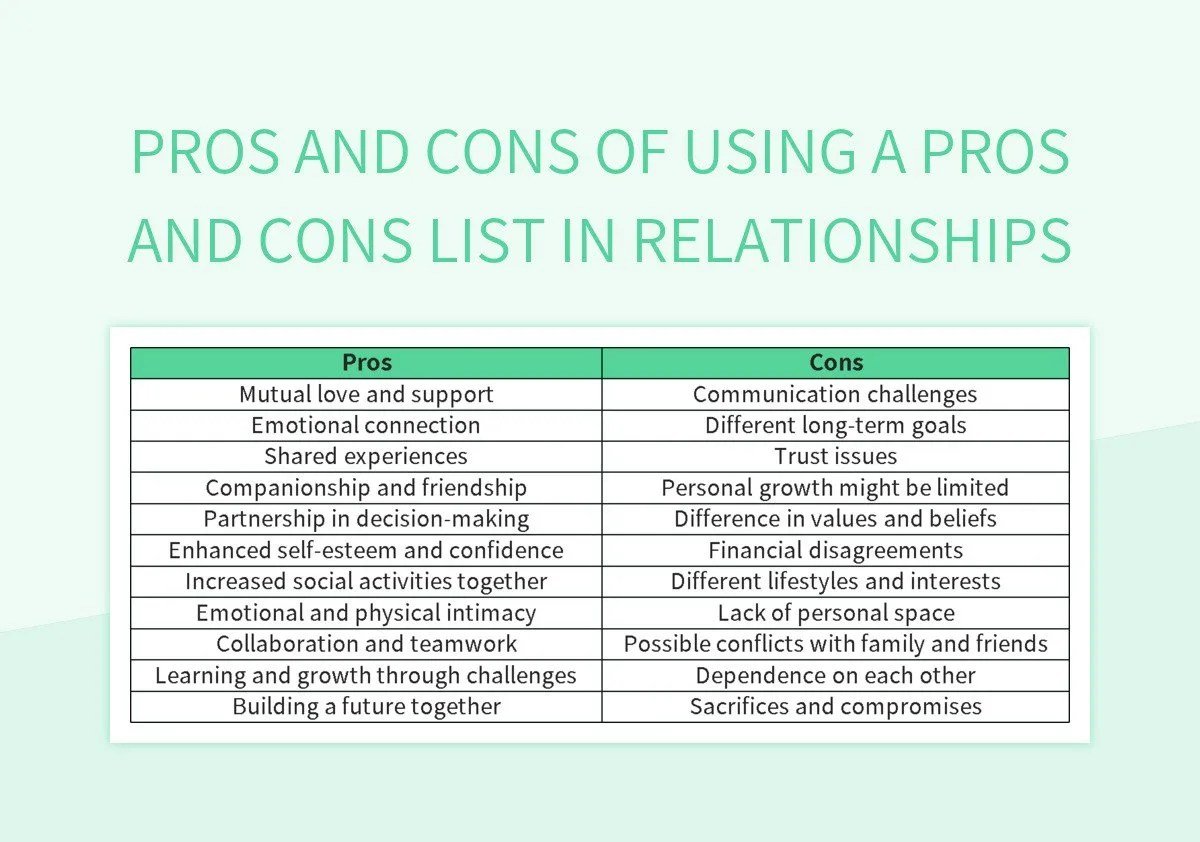
We all face decisions, big and small, every single day. From choosing what to have for dinner to navigating a major career change, our brains are constantly weighing options. For centuries, a simple yet powerful tool has helped us organize those swirling thoughts: the humble Pros, Cons & Potential Drawbacks list. But how effective is this method, really? And when does its simplicity become a liability?
This isn't just about making a choice; it's about making a better choice. We're going to dive deep into why this age-old technique endures, its surprising limitations, and how to wield it like a seasoned decision-maker.
At a Glance: Key Takeaways for Smart Decisions
- A pros and cons list is a basic but powerful tool for visualizing and evaluating choices.
- It shines by bringing clarity, encouraging systematic thought, and reducing emotional bias.
- Beware its pitfalls: it can oversimplify complex issues and is surprisingly prone to personal biases.
- To get the most out of it, define your decision clearly, brainstorm thoroughly, and consider weighting factors.
- For really tough choices, know when to combine it with other, more robust decision-making frameworks.
What Exactly Are Pros and Cons Lists? (And Why Do We Trust Them?)
At its heart, a pros and cons list is a straightforward decision-making framework. You take a specific choice, draw a line down the middle of a page, and list everything good about that choice on one side ("Pros") and everything bad on the other ("Cons").
- Pros are your advantages, benefits, positive outcomes, and the compelling reasons for doing something.
- Cons are your disadvantages, drawbacks, negative consequences, risks, and reasons against doing something.
This method isn't just about putting words on paper; it's about externalizing your internal debate. It moves abstract thoughts into a concrete, visual format, making it easier to compare and contrast. The goal? To transform impulsive, gut-driven reactions into informed, conscious, and objective decisions. It's a fundamental step towards understanding the full scope of any choice, whether you're trying to figure out if Monster Hunter Wilds is worth playing or if you should switch careers.
The Upside: Why We Love Our Pro/Con Lists
There's a reason this method has stood the test of time. When applied correctly, a pros and cons list offers significant advantages that can genuinely elevate your decision-making process. Think of these as the "pros" of using the tool itself.
Bringing Order to Chaotic Thoughts
Before you even start listing, the act of deciding to create a list forces you to articulate the decision at hand. This initial step alone can be revelatory. Once you start jotting things down, your previously jumbled thoughts gain structure. You begin to see patterns, identify connections, and illuminate factors you might have overlooked in a purely mental review. It’s like turning a messy mental whiteboard into a neatly organized diagram.
Encouraging a Rigorous, Systematic Review
We're all susceptible to impulsive decisions, especially when emotions run high or time is short. A pros and cons list acts as a necessary pause button. It compels you to slow down and consider potential outcomes thoroughly. By systematically mapping out each benefit and drawback, you engage in a more disciplined form of evaluation, significantly reducing the likelihood of snap judgments you might regret later. This rigor ensures you're looking at the whole picture, not just the parts that immediately appeal to you.
Unbeatable Simplicity
You don't need fancy software, specialized training, or a Ph.D. in decision science to create a pros and cons list. A piece of paper, a pen, or a basic digital document is all it takes. This accessibility makes it a universal tool, usable by anyone, anywhere, at any time. Its inherent simplicity means there's virtually no barrier to entry, making it an excellent starting point for any decision, regardless of its complexity.
Fostering a Self-Distanced, Objective View
Our feelings often hold considerable sway over our choices. When we're excited about a potential outcome, we might unconsciously downplay the risks. Conversely, fear can amplify minor drawbacks. By physically writing down pros and cons, you create a slight distance between yourself and the emotional pull of the decision. This self-distanced perspective can help you analyze factors more objectively, allowing rational thought to balance—or even override—strong feelings. It's about seeing the situation for what it is, not just how it makes you feel.
A Path to Consensus for Team Decisions
When multiple people need to agree on a course of action, a shared pros and cons list can be invaluable. It provides a common framework for discussion, ensuring everyone's perspectives on benefits and risks are considered and documented. This transparency can help teams identify areas of agreement, debate contentious points logically, and ultimately work towards a more widely accepted and understood decision, rather than relying on the loudest voice in the room.
The Flip Side: Potential Drawbacks & Pitfalls
Despite its many virtues, the pros and cons list is not a perfect decision-making instrument. Its very simplicity, if unmanaged, can lead to significant blind spots and suboptimal outcomes. Understanding these "cons" of the method itself is crucial for using it wisely.
The Danger of Oversimplification
For genuinely complex issues with many variables, interconnected dependencies, or long-term ripple effects, reducing everything to two columns can be a severe disservice. A major business strategy shift, for example, involves far more nuance than a simple "good vs. bad" comparison can capture. This oversimplification can mask critical underlying factors, leading to a decision that appears sound on paper but fails spectacularly in reality. The world often isn't black and white, and trying to force it into two columns can distort reality.
A Hotbed for Cognitive Biases
This is perhaps the most significant potential drawback. Despite our best intentions for objectivity, pros and cons lists are highly susceptible to cognitive biases:
- Confirmation Bias: You might unconsciously list more pros for an option you already favor, or more cons for one you dislike.
- Framing Effect: How a point is phrased (e.g., "opportunity for growth" vs. "increased workload") can influence whether it lands as a pro or a con, and how much weight it's given.
- Overconfidence Effect: We tend to overestimate the likelihood of positive outcomes and underestimate negative ones, leading to an unbalanced list.
- Anchoring Bias: The first few items listed can set a tone that influences subsequent entries and their perceived importance.
People invariably weigh factors that align with their existing preferences more heavily, even if they claim to be objective. This means your "objective" list can become a rationalization tool rather than a true exploration of options.
Stifling Creativity and Intuition
Exclusively relying on a rigid two-column structure can sometimes stifle the kind of "out-of-the-box" thinking or intuitive leaps that lead to genuinely innovative solutions. Some decisions, particularly creative or entrepreneurial ones, benefit from a less structured exploration where gut feeling and imaginative possibilities play a larger role. If your decision feels "off" even after a perfectly balanced list, it might be your intuition telling you there's an unlisted factor at play.
Over-Reliance on Pure Analysis (Ignoring the "Gut Feeling")
While objectivity is often desired, not every decision should be made solely on analytical data. There are times when a "gut feeling," built on years of experience or subconscious pattern recognition, can be incredibly valuable. A pros and cons list, by emphasizing explicit enumeration and logical weighing, can diminish the importance of this intuitive wisdom. For certain personal choices or highly ambiguous situations, listening to that inner voice might be more appropriate than a purely data-driven approach.
Limited Utility for Multi-Alternative, Multi-Outcome Decisions
Imagine trying to choose between five different job offers, each with varying salaries, benefits packages, commute times, company cultures, and growth potentials. A simple pros and cons list for each would quickly become unwieldy and difficult to compare holistically. When choices involve multiple alternatives, each with a range of complex, interrelated outcomes, more robust decision-making models (which we'll touch on later) are often far more effective.
Crafting Your List: A Step-by-Step Guide for Better Decisions
Despite its limitations, a pros and cons list remains a foundational tool. The key is to use it smartly. Here’s how to build a list that actually helps you, rather than hindering you.
1. Define the Decision Clearly
This is the bedrock of your entire exercise. Ambiguity here will taint everything that follows. What exactly are you trying to decide? Be specific.
- Vague: "Should I change jobs?"
- Clear: "Should I accept the Senior Marketing Manager position at Company X, or stay at my current role at Company Y?"
2. Create Your Chart
Simple is best. On paper, draw a "T" shape. In a document, create a two-column table. Title it with your clearly defined decision. Label the left column "Pros" and the right column "Cons."
3. Brainstorm All the "Pros"
Under the "Pros" column, list every single positive consequence, benefit, advantage, desirable feature, and opportunity associated with your decision. Don't self-censor. Get everything out.
- Example (Job offer): Higher salary, better benefits, new challenge, shorter commute, modern office.
4. Brainstorm All the "Cons"
Now, switch gears. Under the "Cons" column, list all potential negative outcomes, drawbacks, limitations, risks, and disadvantages. Again, be exhaustive. Think critically about what could go wrong or what you'd be giving up.
- Example (Job offer): Longer hours, unfamiliar team, less job security, giving up vested benefits at current company, learning curve.
5. Seek Outside Perspectives (Optional, but Recommended)
Our biases are powerful. To counteract them, involve a trusted outsider. Ask a friend, mentor, or family member to review your list. They might identify points you missed entirely or help you re-evaluate items you've inadvertently weighted incorrectly due to personal attachment. If the decision affects others, involve them directly. What are their pros and cons?
6. Assign Values or Weights
This step elevates a basic list into a powerful analytical tool. Not all pros are equal, and not all cons carry the same gravity. Objectively assign a numerical value (weight) to each item based on its importance or impact.
- Use a scale, e.g., +1 to +5 for pros (5 being highly positive/important), and -1 to -5 for cons (5 being highly unfavorable/impactful).
- For debated points, agree on an average value.
Let's use a quick example for a hypothetical decision about buying a new car:
| Pros (Buy Car X) | Weight | Cons (Buy Car X) | Weight |
| :----------------------- | :----- | :----------------------- | :----- |
| Fuel Efficient | +4 | Expensive Initial Cost | -5 |
| Modern Safety Features | +5 | Limited Trunk Space | -2 |
| Looks Great | +2 | Brand Reliability Unknown| -4 |
| Good Resale Value (est.) | +3 | Higher Insurance Premium | -3 |
| Comfortable Interior | +3 | | |
7. Calculate Your Scores
Sum the values of all your pros. Then, sum the values of all your cons (keeping them negative). Finally, add these two sums together to get an overall score.
- Example (Car X):
- Pros Total: 4 + 5 + 2 + 3 + 3 = +17
- Cons Total: (-5) + (-2) + (-4) + (-3) = -14
- Overall Score: +17 + (-14) = +3
8. Evaluate and Decide (But Don't Blindly Follow)
If your overall score is positive, the decision might be beneficial. If it's negative, it's a strong signal to reconsider or explore other options. A tied score indicates a balanced decision, suggesting you need to dig deeper, revisit weights, or seek more information.
Crucially, remember: This weighted list is a tool, not a dictator. Your intuition and context still hold immense power. If the numbers say "go," but your gut screams "stop," pause. Re-evaluate. The list helps inform, not replace, your ultimate judgment.
Beyond the T-Chart: When & Where to Use Them Most Effectively
The beauty of pros and cons lists lies in their versatility. They're not just for individuals; businesses and teams can leverage them too. Here are some common and effective use cases:
Personal Decision-Making
This is where the tool truly shines for most people.
- Lifestyle Choices: Should I move to a new city? Get a pet? Start a challenging new hobby?
- Major Life Events: Planning a wedding, deciding on a gap year, or even choosing a college major.
The structured approach helps bring clarity to highly emotional decisions.
Purchase Decision Evaluation
Before making a significant investment, a pros and cons list can save you from buyer's remorse.
- Big Buys: Thinking about buying a new car, a large appliance, or a new electronic gadget? List out what you gain and what you might regret.
- Subscription Services: Even for smaller recurring expenses, comparing benefits and costs can help you decide if a service is truly worth it.
Project Risk Assessment
In project management, identifying potential roadblocks and opportunities early is critical.
- Vendor Selection: Comparing competing vendors for a project based on cost, reliability, support, and features.
- Methodology Choice: Evaluating the pros and cons of agile versus waterfall approaches for a specific project.
- New Initiative Launch: What are the advantages of launching this new product, and what are the associated risks and resource drains?
Career Planning & Development
Few decisions impact your life as profoundly as your career choices.
- Job Offers: As in our example, comparing a new offer against your current role, or multiple offers against each other.
- Career Changes: Weighing the benefits of a new field (passion, potential earnings) against the drawbacks (loss of experience, required retraining, temporary pay cut).
- Further Education: Is a master's degree worth the cost and time commitment? What are the long-term gains versus immediate sacrifices?
Strategic Decision-Making in Business
Organizations, from startups to corporations, use this framework to analyze strategic moves.
- Investment Possibilities: Evaluating a new market entry, an acquisition, or a significant capital investment.
- Operational Changes: Deciding whether to implement a new work-from-home policy (pros: flexibility, cost savings; cons: potential communication issues, culture impact).
- Marketing Campaigns: Assessing the potential reach and impact of a campaign versus its cost and associated risks.
Presenting Your Findings: A Visual Approach
When you need to share your decision analysis with others—perhaps a team, family, or partner—visualizing your pros and cons can be highly effective. PowerPoint or Google Slides presentations are common platforms for this.
Typically, you'll use a two-sided layout:
- One side (often highlighted in green) for advantages.
- The other side (frequently in red or amber) for disadvantages.
Templates often incorporate visual indicators like green checkmarks or red 'X' icons, or upward/downward arrows, to quickly convey the nature of each point. Basic steps involve inserting shapes for your columns, adding text boxes for each pro and con, and then using icons or color coding to enhance clarity and impact. This visual presentation translates your careful analysis into an easily digestible format for your audience.
When a Simple List Isn't Enough: Alternatives to Consider
While invaluable for many situations, some decisions demand a more sophisticated approach. Recognizing these moments is a mark of true decision-making prowess. Here are alternatives that offer greater depth or different analytical angles:
Decision Matrices (Weighted Scoring Models)
For choices involving multiple alternatives and several important criteria, a decision matrix is a game-changer. You list your alternatives as rows and your criteria (e.g., cost, features, reliability, team fit) as columns. Each criterion is assigned a weight based on its importance, and then each alternative is scored against each criterion. The scores are multiplied by the weights, summed up, and the highest-scoring alternative wins. This method explicitly addresses the "different importance" issue that basic pros and cons lists only touch on with manual weighting.
Cost-Benefit Analysis (CBA)
When financial implications are paramount, CBA is the go-to. It involves systematically comparing the total expected costs of a decision or project against its total expected benefits. Both costs and benefits are quantified, usually in monetary terms, to determine if the benefits outweigh the costs. It's particularly useful for investment decisions, public policy evaluations, and large-scale project approvals.
SWOT Analysis (Strengths, Weaknesses, Opportunities, Threats)
Often used in strategic planning, SWOT analysis helps evaluate an organization, project, or individual from internal and external perspectives.
- Strengths & Weaknesses: Internal factors you can control (e.g., strong brand, limited budget).
- Opportunities & Threats: External factors you cannot control (e.g., new market trend, competitor launch).
While similar to pros and cons, SWOT provides a more holistic view of the internal capabilities and external environment relevant to a strategic choice.
Scenario Planning
For highly uncertain futures or decisions with long-term, unpredictable outcomes, scenario planning is powerful. Instead of trying to predict one future, you develop several plausible future scenarios (e.g., "best case," "worst case," "most likely," "disruptive event"). You then evaluate your decision's robustness and effectiveness within each scenario. This prepares you for a range of possibilities, making your chosen path more resilient.
Smart Tips & Common Misconceptions: Maximize Your List's Power
You've learned the mechanics and understood the risks. Now, let's fine-tune your approach for truly effective decision-making.
Don't Treat It as an End-All, Be-All
This is perhaps the biggest misconception. A pros and cons list is a fantastic starting point or a complementary tool. It helps clarify and organize. It rarely provides the definitive, unquestionable answer, especially for complex, high-stakes decisions. Think of it as a compass, not a GPS. It points you in a direction, but you still need to navigate the terrain.
Be Hyper-Specific in Your Entries
Vague points ("It's good for me") are unhelpful. Get granular. Instead of "Better quality," try "Higher resolution screen (2560x1440) for graphic design work." The more concrete your entries, the easier they are to weigh and compare.
Consider a "Neutral" Column for Facts
Sometimes an item isn't strictly a pro or a con, but a relevant fact. For instance, "Requires 3 months of training" might be neutral if you have ample time, or a con if you're time-pressed. A "Neutral" or "Facts" column can hold these points until you decide their impact.
Iterate and Refine
Your first draft isn't final. Walk away from it for a few hours or even a day. When you return, you might see things differently. Re-read, re-evaluate weights, and add new points. Decision-making is often an iterative process.
Be Honest with Yourself About Biases
Acknowledging your own biases is the first step to mitigating them. Before you start listing, ask yourself: Do I already lean one way? What am I hoping this list will tell me? Being aware can help you consciously seek out counter-arguments or give more honest weight to unfavorable points.
Making the Call: Your Intuition Still Matters
The journey through pros, cons, and their potential drawbacks reveals a fundamental truth: decision-making is both an art and a science. Tools like the pros and cons list provide invaluable structure, clarity, and a systematic way to evaluate options. They arm you with data, illuminate blind spots, and temper emotional impulses.
However, no list, no matter how meticulously crafted or numerically scored, can fully replace your personal judgment. Your accumulated life experience, your nuanced understanding of your unique circumstances, and that quiet "gut feeling" are irreplaceable.
Use the pros and cons list as your trusted advisor, not your absolute ruler. Let it organize your thoughts, challenge your assumptions, and provide a clear framework for analysis. But when it's time to make the final call, integrate that analysis with your intuition, values, and vision for the future. That’s how you move from merely making a decision to making the right decision for you.