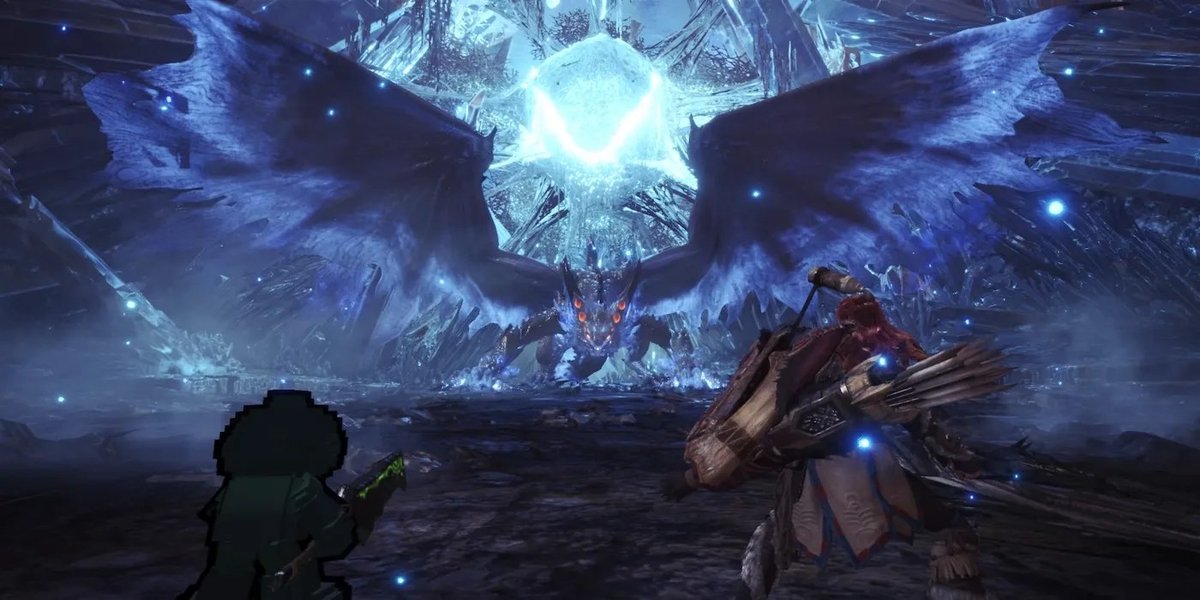
For many seasoned hunters, and even more so for newcomers eyeing the vast world of Capcom's legendary franchise, the choice between its two most recent flagship titles can feel like navigating a monster-infested jungle. You've heard the buzz, seen the epic hunts, but when it comes to a definitive Comparison to Monster Hunter World & Rise, which game truly stands out? With Monster Hunter Wilds on the horizon in 2025, now's the perfect time to understand the unique strengths and experiences each offers.
Are you a purist who craves immersion and a colossal content grind, or does the thrill of lightning-fast combat and unparalleled mobility call to you? Let's break down the behemoths.
At a Glance: World vs. Rise – Key Takeaways
Before we dive deep, here’s a quick summary of what sets these two titans apart:
- Graphics & Immersion: Monster Hunter World (MHW) delivers a visually stunning, highly detailed, and seamless world, especially on consoles.
- Performance & Portability: Monster Hunter Rise (MHR) boasts superior load times and was built from the ground up for portable play on Nintendo Switch, making it incredibly convenient.
- Combat Mechanics: Rise introduces the game-changing Wirebugs for agile movement, aerial attacks, and quick recoveries, leading to a faster-paced combat style. World is more grounded, relying on environmental interaction and strategic use of the Slinger/Clutch Claw.
- Content Volume: World, especially with its Iceborne expansion, offers a significantly larger main story and overall completionist playtime.
- Expansions: Iceborne is widely regarded as one of the best expansions in the series, adding beloved monsters and refining the core experience. Sunbreak, while solid, doesn't quite hit the same highs.
- Hub Towns: Rise's hubs are livelier, more vibrant, and allow for much faster navigation thanks to quicker load times.
- Armor Customization: World's Alpha/Beta armor sets provide more nuanced skill optimization.
- New Companions: Rise introduces Palamute mounts and Cohoot scout birds, enhancing exploration and combat.
The Quest for the Best Hunt: Decoding Your Preference
Monster Hunter World (released 2018, Metacritic 90) redefined the series for a global audience, while Monster Hunter Rise (released 2021, Metacritic 88) innovated on core mechanics for a more arcade-like, faster experience. Neither is objectively "better" in every single aspect, but they cater to distinct player preferences. The real question isn't which reigns supreme universally, but which reigns supreme for you.
Graphical Fidelity & Environmental Grandeur: World's Immersive Scale
When it comes to raw visual prowess and environmental immersion, Monster Hunter World sets a high bar.
A Visual Feast: When Graphics Reign Supreme
World pushed the boundaries of what Monster Hunter could look like, particularly on consoles. Its detailed textures, realistic lighting, and intricate monster models create a sense of weight and presence that few games in the genre achieve. On PC, the difference between World and Rise narrows somewhat, but World's original design intent for high-fidelity graphics still shines through. If you prioritize breathtaking vistas, photorealistic monster scales, and a world that feels truly alive in its visual presentation, World is your go-to.
Living Ecosystems: World's Seamless Zones
Monster Hunter World broke new ground by introducing large, interconnected zones without separate loading areas during expeditions. This created a truly seamless, living ecosystem brimming with hidden paths, interactable flora and fauna, and dynamic monster encounters. Discovering new endemic life, watching monsters interact in their natural habitats, or baiting a large monster into a trap using environmental hazards feels incredibly organic. Rise's environments are substantial and beautifully designed, but they don't quite match World's groundbreaking scale, intricate detail, and the profound sense of exploration its zones inspire.
Performance, Pace, and Portability: Rise's Swift Efficiency
While World focused on spectacle, Rise leaned into efficiency and speed, offering a distinct experience that prioritizes getting you into the action faster.
Lightning-Fast Load Times: Get Back to the Hunt Sooner
One of Rise's most significant quality-of-life improvements is its blistering load times. Whether you're jumping into a quest, returning to the hub, or simply switching zones, Rise zips along, leaving World in its dust—especially noticeable on older hardware like the PS4. This translates to less waiting and more actual hunting, making the overall experience feel much snappier and less interrupted. For players who value their time and want to maximize their hunting minutes, Rise is a clear winner here.
Built for the Road: The Portable Power of Rise
Originating on the Nintendo Switch, Monster Hunter Rise was meticulously designed with portability in mind. Its streamlined mechanics, quick loading, and digestible quest structure make it an ideal companion for gaming on the go. While World is available on Steam Deck, Rise's native optimization and the Switch's unique versatility give it a distinct edge for those who prefer to hunt on a handheld device. It’s perfect for squeezing in a quick hunt during a commute or unwinding with a few quests before bed.
Vibrant Hubs & Quick Navigation
Rise's hub villages, Kamura and the Sunbreak expansion's Elgado, are vibrant, lively places bursting with character. More importantly, their compact design and the aforementioned fast load times mean that moving between vendors, the quest board, and your training area is incredibly swift. This stands in contrast to World's Astera, which, while impressive in scale, could sometimes feel a little cumbersome to navigate, especially with longer loading screens between its different levels. Rise lets you gear up and get back into the action without unnecessary delays.
Combat Evolution: Wirebugs vs. Slinger & Clutch Claw
Perhaps the most divisive and defining difference between the two games lies in their core combat mechanics.
Rise's Agile Acrobats: The Wirebug Revolution
Monster Hunter Rise introduced Wirebugs, a revolutionary mechanic that completely transformed movement and combat. These glowing insects allow players to launch themselves in any direction, traverse vertically with ease, perform aerial maneuvers, dodge attacks with unprecedented agility, and safely recover after taking damage. Each weapon also gained unique "Silkbind Attacks" that utilize Wirebugs, adding a new layer of depth and flair to combat.
If you love fast-paced combat, akin to titles like NieR Automata, Devil May Cry V, Final Fantasy XVI, or Kingdom Hearts 3, Rise's Wirebug mechanics will likely resonate deeply. The ability to quickly reposition, launch into an aerial assault, or perform flashy counters makes for a dynamic, almost acrobatic hunting experience that feels incredibly empowering.
World's Grounded Grit: Strategic Engagement
Monster Hunter World, while introducing the Slinger and Clutch Claw, maintained a more grounded and deliberate combat feel. The Slinger allowed for quick projectile attacks, triggering environmental traps, or slinging flash pods, while the Clutch Claw allowed hunters to grapple onto monsters, tenderize their hides for extra damage, or steer them into walls.
World's combat emphasizes positioning, understanding monster tells, and intelligently utilizing the environment. While less overtly "fast-paced" than Rise, it still offers immense depth and satisfaction through strategic engagement and precise execution. Hunters who prefer a methodical approach, where every swing and dodge carries significant weight, might find World's combat more satisfying.
Content Depth & Longevity: World's Unrivaled Scope
For players who measure value in hours spent and monsters slain, Monster Hunter World, especially with its acclaimed expansion, offers an undeniable feast.
A Campaign That Keeps on Giving
Monster Hunter World's main story campaign is a substantial journey, clocking in at approximately 80 hours. When you factor in its colossal Iceborne expansion, the sheer volume of quests, monsters, gear, and systems to explore is immense. Completionists often find themselves sinking around 650 hours into World and Iceborne, a testament to its incredible longevity and replayability. This game is built for those who want to lose themselves in a hunting saga for hundreds of hours.
Rise's Streamlined Journey
Monster Hunter Rise, by comparison, offers a more streamlined experience. Its main story can be completed in about 20 hours, with completionists typically averaging around 135 hours. While Sunbreak significantly expands on this, it's generally agreed that Rise, even with its expansion, is unlikely to achieve content parity with World + Iceborne. This isn't necessarily a drawback; for some, a more focused, less overwhelming experience is precisely what they're looking for, making it easier to see all the content without a massive time commitment.
Expansions: The True Test of End-Game
Expansions are where Monster Hunter truly shines, adding new regions, monsters, and mechanics that elevate the base game. Here, World has a clear advantage.
Iceborne's Legendary Impact
Monster Hunter World: Iceborne is widely considered the superior expansion, not just for World, but as one of the best in the entire series. It added a new frosty biome, a challenging new difficulty tier, and a plethora of iconic monsters like Brachydios, Nargacuga, Tigrex, and Velkhana, significantly improving upon the already excellent base game. Iceborne deepened World's mechanics, introduced compelling new challenges, and offered a truly epic continuation of the hunter's journey.
Sunbreak's Solid, But Lacking Punch
Monster Hunter Rise: Sunbreak delivered a solid and enjoyable expansion, introducing new monsters, a fresh hub, and additional Wirebug skills. However, its roster of additional monsters, while good, is comparatively lackluster when stacked against the iconic lineup Iceborne brought to the table. Sunbreak is a fantastic addition to Rise, but it doesn't quite reach the same legendary status or fundamentally reshape the base game in the way Iceborne did.
Customization & Gear Crafting: Tailoring Your Hunter
Deep character customization, both in appearance and in buildcrafting, is a core appeal of Monster Hunter.
World's Armor Advantage: Alpha and Beta Sets
Monster Hunter World featured Alpha and Beta armor sets. Alpha sets came with more skills pre-attached, while Beta sets offered fewer skills but more decoration slots, allowing players to slot in their preferred jewels. This system provided a greater degree of flexibility and allowed hunters to more easily accrue specific skill levels with fewer pieces, making for a deeper and more nuanced buildcrafting experience. This system is not present in Rise, which opts for a more straightforward armor progression. For players who love to meticulously optimize their stats and skills, World offers more granular control.
Rise's Simpler Approach
While Rise still offers plenty of armor sets and decorations for customization, the absence of the Alpha/Beta system simplifies the process. This isn't inherently bad; it just means there's less complexity in achieving optimal skill setups. You can still create powerful and aesthetically pleasing builds, but the intricate dance of mixing and matching for perfect skill tiers is a bit less involved than in World. For those who enjoy a strong job/class identity and appearance customization, both games deliver, but World offered a slight edge in build depth.
Companions & Exploration Aids: A Helping Paw (and Claw)
Your trusty companions and environmental aids play a crucial role in Monster Hunter.
Palamutes and Cohoots: Rise's Dynamic Duo
Monster Hunter Rise introduced Palamutes, canine companions that not only fight alongside you but also serve as rideable mounts. This dramatically speeds up traversal across the maps, and you can even sharpen your weapon or use items while riding. Rise also added Cohoots, small owl-like birds that can be sent on expeditions to gather items or provide a bird's-eye view of the map. These additions make exploration and resource gathering in Rise feel faster and more integrated into the hunting flow.
Palicoes and Scoutflies: World's Familiar Friends
World stuck with the classic Palicoes as your feline combat companions, offering various gadgets for support, healing, or trapping. For navigation, World utilized Scoutflies, glowing insects that would guide you to monsters, tracks, and resources. While effective, the Scoutflies were sometimes less direct than a Palamute, and the lack of a rideable mount made traversing World's large zones feel more deliberate, often requiring careful stamina management.
Who Should Play Which? Tailoring Your Hunt
Ultimately, your ideal Monster Hunter experience depends on what you value most. Let's break down recommendations based on common player profiles.
Choose Monster Hunter World If You...
- Crave unparalleled immersion and stunning graphics: If graphical fidelity, realistic environments, and a truly seamless world are paramount, World delivers.
- Love a grand, epic adventure: World's story (especially with Iceborne) is longer and offers more narrative scope within the series' context.
- Want hundreds of hours of content: If you're a completionist or simply want a game you can sink into for a very long time, World has an astronomical amount to offer.
- Prefer methodical, strategic combat: The grounded feel, reliance on environmental traps, and use of the Slinger/Clutch Claw offer a different kind of satisfaction.
- Enjoy deep buildcrafting: The Alpha/Beta armor system provides more options for optimizing your hunter's skills.
- Are a World veteran on PS4 and want more of that specific experience: The transition will be seamless, and you'll appreciate the continued depth.
Choose Monster Hunter Rise If You...
- Demand fast-paced, acrobatic combat: The Wirebug mechanics make for an incredibly agile, fluid, and exciting fighting style that will appeal to fans of NieR Automata or DMC V.
- Need portability and quick sessions: Rise's Switch origins and lightning-fast load times make it perfect for gaming on the go or squeezing in short hunts.
- Prioritize efficiency and convenience: Less downtime, faster hub navigation, and Palamute mounts make the overall experience incredibly smooth.
- Appreciate vibrant aesthetics and unique monster designs: Rise's Japanese folklore inspiration gives it a distinct charm.
- Are new to Monster Hunter: Rise is often considered more accessible due to its faster pace and quality-of-life improvements.
- Prefer a more focused, less overwhelming experience: Its shorter story and completion time might be appealing if you have less time to dedicate.
The Road Ahead: What About Monster Hunter Wilds?
As we look to the future, the upcoming release of Monster Hunter Wilds in 2025 promises to build upon the lessons learned from both World and Rise. Early glimpses suggest a return to World's grand, seamless environments, potentially blended with some of Rise's quality-of-life improvements and dynamic combat. If you're weighing your options now, considering these two games is excellent preparation for what might come next. Dive deeper into what we know about the next chapter here: Is Wilds worth playing?.
Your Ultimate Hunting Destination Awaits
Both Monster Hunter World and Monster Hunter Rise are phenomenal games, each representing a peak in the franchise's evolution. World offers unparalleled immersion, massive content, and a grounded, strategic hunt. Rise delivers exhilarating, fast-paced combat, supreme portability, and unmatched convenience.
Your ideal choice boils down to your personal priorities: Do you want to get lost in a colossal, graphically stunning world for hundreds of hours, or do you prefer rapid-fire hunts with acrobatic flair, easily accessible on the go? Whichever path you choose, a thrilling adventure filled with epic monsters and satisfying hunts awaits. Happy hunting!